
The Government's solution? Attacking law-abiding firearms owners.
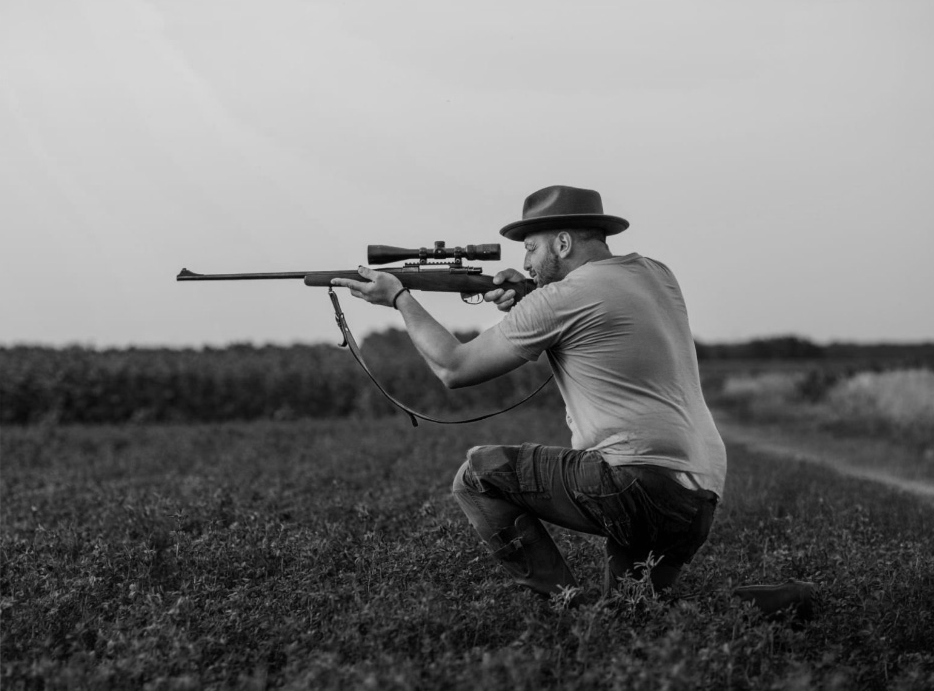
On 15 August 2026, the NSW Government announced plans to roll out the buyback scheme, with the first phase set to begin on 2 November.
Under the new rules, this could affect up to 50,000 licence holders, with up to 274,000 firearms potentially surrendered. Responsible gun owners who have painstakingly jumped through hoops and navigated confusing bureaucracy to legally own their firearms are now limited to owning just four, at an estimated cost of MILLIONS to the state.
HAVE SIGNED
THE PETITION
And quite the pinch to the state's pocket. We've crunched the numbers.

Estimated cost to the NSW budget

Estimated Hunting Contribution

Jobs at Risk

Pest Control at Risk per year
Let’s get this straight. Even if every licensed gun owner were to surrender their guns, nothing can stop terrorists from gaining access to guns.
According to independent research:
Involved unlicensed perpetrators with unregistered firearms.
Involved semi-automatic firearms.
Offenders were unlicensed gun owners.
Here's how the buyback affects you even if you've never held a gun before.
That means significant funding that could go towards schools, transport, recreational facilities and more is being directed towards the buyback scheme.
Firearms dealers, shooting clubs and businesses could be at risk of closing when firearms are restricted. That could mean thousands of jobs are threatened, as well as local communities that rely on these businesses.
The cost doesn’t just disappear for farmers. Feral pigs cause significant damage to crops, and when farmers lose the tools they rely on to manage feral pests, crops are left at the mercy of wild pigs. Guess who ultimately foots the bill? You.
The gun buyback sets a significant precedent for how the government can regulate legally owned property – starting with firearms. If these laws proceed, what could they mean for other forms of legally owned property? What else could they limit next?
According to independent research conducted by Tulipwood Economics and commissioned by Shooters Union Australia and the Shooting Industry Foundation of Australia, the benefit-cost ratio of the buyback must return at least $1 in benefits for every $1 spent to be justified.
Based on the evidence, the benefit-cost ratio comes to a staggering:
Even under the deliberate assumption that the buyback prevents ALL future mass shootings, the ratio only comes to:
What the Community Is Saying
To stop stupidity
I do not agree with it
Law abiding citizens should be able to safely store and use weapons for recreational purposes.
They are taking our constitutional Right to Bear arms away Bill of Rights
As a gun owner I was not responsible in any way with the incident at Bondi.
Don\'t punish those of us that are law abiding people, look at the failures of the government for this catastrophe
There a tool of my trade
I am signing this petition right now because I am a 15 year old boy who is planning on getting his shooting permit so I can shoot with my dad. For the longest time, I have been thinking about how one day I will inherit all of the guns my dad inherited from his father. Then the Bondi shooting happened, and I found out that the restriction would make us sell all of our guns except four. Now we have to decide what to save: our family heritage or the guns my dad uses for pest control.
All the facts must be made public before punishing legal shooters
This is a knee jerk reaction to the terrorism attack in Bondi. The government have covered up why this was allowed to happen. And are now taking away the rights of legal firearm owners, which doesn\'t solve the problem at all
Loss of family heirlooms. Based on western nsw where firearms are tools everyone else suffering for institutional failures
Law abiding owners being punished rather than addressing the problem
These laws are wrong
Though I\'m not from NSW, I don\'t think I need to explain why the buy back is the dumbest thing anyone has heard in a long time, anyone with half a brain can figure that out. Just another example of the government trying to cover up their mistakes with the most out of pocket solution.
Law abiding citizens should not be punished for doing the right things
Why am I being treated as a terrorist
Safely held firearms are not the issue. A complete waste of money.
I believe these restrictions are unnecessary and fire reaching into the privacy and personal interest which I use by Firearms for whether it be targeted Pest Control or just playing supplying meat and food to the table please understand they are not heard in anybody. I’ve had them in our home for over 50 years.
The reason I\'m signing this is because I\'m a father and farmer and a hunter . Wee aren\'t the problem !! the problem is giving guns to non citizens . To allow anyone from any country to be eligible for a licence In Australia is just mind blowing to me .
I am a licensed firearm owner and do not wished to be penalised in anyway for harmful incidents to the community that are not the result of lawful firearm holders.
As a law abiding Citizen being penalized for the incompetence of our government and authorities due to not sharing crucial information with other departments. Maybe use the buyback money to fix the real problem being the miscommunication problem and targeting real criminals and not the easy targets being genuine users of firearms. Don\'t forget anyone who owns a vehicle has a lethal weapon already at there disposal.
The government hasn’t looked at this terrible thing through honest eyes
Iam a responsible licensed fire arm owner and have been for 70 years and I don\'t need any more impositions imposed on me by any government, tackle the criminals first.
Law abiding Australians are being treated like would-be criminals.
It\'s categorically wrong what is happening to law abiding firearm owners. The Bondi massacre was to do with extremist ideology not guns. These proposed laws will change nothing.
Because it is bullshit
Do Not Punish The Law abiding Australian Citizens . For the Terrorists , That you the Labor Party Allowed to Come into our Country . And They Murdered our innocent Australian citizens .
Do Not Punish The Law Abiding Australian Citizens . For the Terrorists that you allowed into Our Country !!
Because we should not be blamed
Don’t treat law abiding citizens as political pawns. Deal with the real problem which is the criminals. Criminals don’t apply for firearms licenses.
Farmers desperately need to have the freedom to exterminate feral pigs, roos, rabbits, cockatoos etc that are destroying their crops & land.
The criminals who have guns are the problem, not law abiding licenced gun owners.
we need to have guns to stop feral animals destroying crops and nature reserve
Stop attacking law abiding citizens
I live in framing areas the government wishes to punish Australian citizens that do the right thing yet the one\'s who do worst to young girls and children and women are set on bail standards of our government are so wrong now. Why should taxpayers be forced to pay 6x tax and we are paying for people who break the laws after coming into Australia if they can\'t follow our laws send them packing instead pm supports crap to happen in Australia
Because we all need to come together as a collective throughout Australia and show the government they have it all wrong. Leave law abiding citezens alone and focus on the terrorists and feimals causing the issues. And the government need to stop selling australia out and stop destroying Australia with their idiotic laws they are introducing to allow migrants and criminals to have more rights then true blue Australians.
Because none of this buy back nonsense is going to fix the core issue.
Freedom
The bybacks are destroying livelyhoods.
The Albo Gov is completly distroying Australia , We must be able to get rid of ferral; ,pigs, Dear, wild dogs, so we can all look after our farms
Im a law abiding gun owner that shoots in competitions when ever I can. The government continues to try and disarm us, why is this so. Shooting is one of our national pass times and we represent this country on international stages around the world competing angaistbthe worlds best. To all the lefties out there, Fuck Off and let aussies be aussies. Our ancestors fought for our freedom against foreigners, looks like they were fighting the wrong enemy as they lay within our own country.
Waste of money as this only targets responsible shooters.
I just want to be able to go hunting and target shooting and not be limited for no reason.
The buyback do NOTHING to stop terrorist attacks, or radical Islam in Australia…!!!! Foolish, knee jerk reaction from fools…!!!
Was a farmer
Woke up christmas morning tarred with the same brush as an islamist murderess terrorist,and you didnt consult with the right people,took advice from someone who suggested banning belt fed shotguns.they dont exist ,so how good is the advice you received!
End government tyranny.
This does nothing to keep Australians safe from terrorists
Its unjust, its going to cost tax payers alot of money.... and this government cant afford it. The impact on hunters, which knocks on to feral population of animals. Thus hurting struggling farmers
Because the actions of the government have no meaningful impact on the root cause of the Bodi terrorist event
It\'s a bad use of public funds. It does not address the issue of illegal firearms.
Minns, albo & co are scapegoating legal licenced gun owners for the actions of terrorists. This must stop. Binn Minns at the next election.
I do not believe that this legislation will do anything but punish law abiding firearm owners. If the Bondi terrorists used any other form of inflicting harm, we wouldn\'t be talking about firearm laws.
The buy back will not reduce illegal guns in Australia
Professional Contract Shooting Business !.
Attacking legal firearm owners will do absolutely nothing to stop criminals from getting and using firearms in crimes. The government should be targeting the criminals and not the law abiding firearm owners that have gone through police checks and followed all the rules of firearm ownership.
We are completely at the mercy of the crims. Theyre not handing in pistols its Labour commies trying to destroy our country.
i BELEIVE THE WRONG PEOPLE ARE BEING TARGETED THE LAW ABIDING LAND OWNERS AND SHOOTERS ARE NOT THE PROBLEM BUT THE WAVE OF MUSLIM IMMIGRANTS THAT THIS LABOUR GOVERNMENT HAVE BOUGHT IN MY COUNTRY THAT ARE HELL BENT ON TERRORIST ATTACKS ON THIS NATION
Because it believe the Labor party has an agenda to bankrupt Australia and hand over Australia to the world economic forum the new world order agenda 2030
This has nothing to do with the gun crime. The premier even admitted this isn\'t about illegal guns, how ridiculous is it when it doesn\'t actually target the actual problem
Failed under Howafd will fail again at significent cost.....
I’m sick of the government harassing law abiding firearm owners and dealers. We are tax payers, we love our sport and we see the Labor dictatorship as full blown communist. We must not let them win .
Don\'t take the tools off the farmers or sporting shooters that control feral animals
to support farmers rights
Because the buyback won\'t change anything, nor make anything safer... Radicalisation is the problem, Islamic radicalisation in particular.. There is also a reason why ME states don\'t accept Palestinians and have ridded themselves of them, they are just trouble...
Like everyone else I want to keep my guns
I am a good citizen that likes to hunt and a responsible firearm owner. Don’t punish us for extremest religious people who obtain gun through poorly written le
I’m a LAFO from Victoria and want to support my colleagues in NSW.
The government is targeting the wrong people and it’s a massive waste of money.
Spend the money fighting the real problem. Lazy legislation developed and supported by misinformed legislators.
The firearm laws and buyback will not make any difference to terrorism and crime. All Australians will pay the price financially when the money should be spent on more important things
Doesn\'t change anything except cost me more in licence fee and have to join a club
I am a farmer and we need weapons because of ferral rabbits and foxes
Cause I get nothing out of it 🤷🏻♂️
For common sense and against agenda driven politics!!!!!!
I do recreational hunting for vermin control to help farms.
repeal Labor\'s stupid immigration, gun, climate alarmism, free speech laws.
Criminals won\'t hand their guns over.
Im a responsible firearms owner
Criminals are the only beneficiaries of a buyback
Because feral animals are a distrucion to the farmer’s lively hood . & out food supplies
My husband is a hunter and a responsible and safe gun owner. The buyback will not do anything to stop the root cause of racism and anti-semitism that is emerging in Australia. The money will be better spent on addressing religious extremism and the mental health crisis that currently exists in our communities.
Cannot see a logical reason for limiting legally owned firearms to 4 legal is legal is it not?
This madness has to stop . Go after the people who caused this mess .
I believe it’s wrong to blame law abiding citizens for what happened at Bondi. Why can’t the government say what was the real cause?
It’s a total waste of money and won’t help anything
It\'s not going to stop terrorist attacks or gangland killings and only harm law abiding citizens.
Stop the fire arm buy back!! Government bastards you have targeted the producers because of your city voters, who want to stop producers from producers! Take the rifles from the cities, leave producers out of the equation.. the shootings the gangland killing is radical bastards killing one another in the cities!! Take fire arms out of the cities!! Leave producers alone!!
To not have my firearms taken away from me for this stupid reason. Its already a joke ptas are taking 6 months!!
Because as a firearms owner and collector im tired of the government blaming us for all the problems that they have created themselves
Licensed firearms are not the problem and legitimate owners shouldn\'t be punished for the actions of criminals with smuggled in illegal or stolen weapons ...
You cannot build a safer community by punishing the very people who already rigorously comply with the law. Ultimately, the government failed when they issued someone a licence they never should have had. Law-abiding firearm owners were not the problem,we didn’t fail. Police failed, the NSW Firearms Registry failed, intelligence agencies failed. The cost reportedly running into the billions nationally, would do far more good directed at increasing policing resources targeting actual criminals.
I am a rural landowner. Our reasons for gun ownership are a lot different to sport shooting. Different types of guns for a specific purpose are needed.
What good will come from this buyback of legal guns? Will this stop illegal ownership and ownership of illegal guns? I don’t think so….
I’m signing because it is unfair that law abiding citizens are being punished because of the actions of radical Muslims. If the government agencies had done their jobs properly in the first place Bondi tragedy may have been avoided
I am a responsible gun owner and should not be punished for acts of terrorism
For Australian farmers
Legal weapons aren’t the problem
Legal weapons are not used by criminals.
I\'m 100% against this gun buyback and I want it completely reversed.
I strongly believe that Australian farmers and responsible hunters need to keep their guns. Take them from terrorists and criminals.
As a lifetime hunter and shooter, I have owned a range of firearms for many years for a variety of needs. I wish to retain these responsibly for many more years without unnecessary restrictions
I am against this knee jerk reaction caused by not enforcing the strict rules already in place.
It’s RIDICULOUS!!!
Unlawful reason to disarm innocent people .i know i live in the regional country..i see feral pigs all the time dead on rds hit by vehicles destroying farmland and attacking an eating newborn stock..they come within 50mtrs of my home .
I do no Aggre with this Byback
There should never be any need for buy back. We badly need the 5th amendment like the USA. We need more firearms to control the vermin like pigs, dingoes and wild dogs, camels, rabbits, foxes, roos and those illegal vermin that Magoo, Burka and Minns are letting into this country. They are all the bloody problem.
I strongly believe this is the wrong decision by our government targeting landowners and legalised gun holders stronger vetting should be mandatory to stop the mismanagement by those in charge to allow known terrorists to hold these licenses and purchase Firearms Laura biting and decent people are an easy target this government is weak and certainly not for the people
Licence gun owners
To stop ridiculous Labor Firearms Laws on LAFO\'s.
I truly don\'t believe this will change anything. It only adds more burden to the tax payer. The funds could be better used for education, health or intelligence and policing.
The buy back is a waste of taxpayers money and it won\'t make anyone any safer
I believe this is a very big mistake
It’s against the law to pass legislation for a buy back 1901
This buyback will not prevent the Black Market guns that are the ones being used in crime. Farmers and property owners don\'t go around shooting people with their registered guns. This is just a kneejerk reaction to a much bigger problem
Guns are a tool of trade and sport, and law abiding firearm owners are not the problem.
Firearm and property owner also VOTE
The Buyback will not stop Criminals and Terrorists as they don\'t obey the laws.
Cos it\'s a ridiculous Bill. Won\'t stop terrorism at all. It\'s a coward\'s move
I am an Aussie
This is labor commo madness,it must be stopped
Won’t solve the issue of stopping criminal acts using unregistered and or illegal firearms.
I\'m a law abiding, licensed gun owner
Law abiding firearms owners are not the problem
Unfair Legislation against lawful firearms owners.
I want to keep what’s mine
Its ridiculous to think law abiding gun owners should suffer for a lack of effective support to the police fighting against extremists
I do not agree that this was fairly reviewed and assessed. We are being wrongfully targeted due to the actions of terrorists. The compensation hardly covers the expenses incurred to purchase the firearms that I use lawfully.
Labor governent State and Federal will not take responsibility for their own dismal perfromance
Opposeed to more gun control on law abiding citizens.
Taking guns off honest hard working Australians is not the way to stop ‘terrorist’ attacks done by people who have been on watch lists….that’s an Australian government issue! I have a shooters licence, no criminal record and haven’t done anything yet I’ll be the one punished because of people the government were aware of!
I am a gun owner and am insulted by minns taking legal guns but no ilegal guns
To save aus farmers
Stop a ridiculous buy back scheme
Fixing the real problem not the gun owners.
The policy makes no sense and will not help anyone, save anyone, make anything safer. It just punishes law abiding firearms owners with no.community benefit
LAFOs are being used as political scapegoats.
Im a farmer
Law abiding firearm owners are not the problem.
Its just wrong
I am signing this to stop the unfair treatment of responsible citizens being denied their rights of ownership of their firearms because of the government who blames terrorists for what happened then also lawfully responsible firearms owners in the same sentence when they won’t even say why it took them so long to grant the license to a person who had been on a watchlist? And then till us the Australian people we don’t need to know
It\'s affecting the people doing the right thing and not the criminals. Ex firearms owner.
I am not happy with the way this has been handled
This is not the problem terrorists are
Punishing law abiding and responsible gun owners, for obvious failures to keep Australians safe, is blame shifting and making monsters of tge lambs while the wolves are allowed and empowered to roam free and guiltless. The criminal has rights while the everyday Australian does not have the same privilege. It is a privilege to live in this country, the best place in the world, act like it, respect it, embrace it.
Stupid legislation and the illegal guns will remain in the hands of criminals!!!
I’m a responsible gun owner and hate being treated like a criminal
As a licensed shooter they have no right to take something I love so dearly. I regularly operate my firearms in a safe manner in a safe place. It is the most fun you can have in a country where you can’t even fart in the wrong direction without the prime minister having a cry thinking you meant to insult him with said fart. Screw the buyback! Jam it! Licensed shooters and lively hood forever!
Gun buybacks are not stopping the criminals
If you have a gun licence you be your right to own a gun . Taking gun off licence gun owners will not stop terrorist someone or bad people getting or having a gun etc wake up Australia,,we can\'t even defend our country if war attacks came to our shores
Doesn\'t fix the problem my guns are safe in my safe not on the streets
I believe this buy back is crossing boundaries of civil liberties and this country’s political system has lost touch with the everyday Australian and there culture
Cause buyback is silly
Because I am sick and tired of governments trying to control people\'s rights and freedom. They are nothing more than tyrants who want full control over everybody and everything.
I am signing because the government is reacting to a catastrophic failure by targeting the wrong people. This was a terrorist attack, yet law-abiding licensed firearm owners are being punished instead of terrorists and genuinely high-risk individuals. Serious failures in communication, intelligence sharing and firearms licensing demand accountability. This buyback shifts focus from those failures and costs taxpayers enormously. This text box is too short.
This impacts the whole economy the government spending money where it’s killing us all mortgage holders and people trying to live because of the gov spending! This buy back does nothing of substance penalise the criminals not the people doing the right thing!
Laws shouldn\'t target law abiding citizens
Unreasonable.. not going rid streets of illegal firearms
These are bad laws. Ill considered and rushed for political reasons not public safety. They will not help with the real causes of the mass murder by Islamic haters.
Gun buyback is not going to solve the real problem of illegal firearms and terrorism from people coming into the country with bad intentions
My firearms are legally owned by me. Locked in a safe and never harmed anyone. I am law abiding and these stealback is not going to remove firearms from criminals.
Mainly because this is suppose to be about stopping terrorist activity in Australia. How is condemning law abide firearm owners for the act of Islamic terrorists going to do anything to stop terrorists. Plus the fact I take offence at being lumped in with cold blooded murderers.
A total waste of NSW public money. Better spent on Roads, Hospitals and Schools. Half a BILLION DOLLARS spent on guns with ZERO increase in public safety. CURRENTLY these guns are in secure police inspected safes. They are NOT ON THE STREETS. The MINNS LABOR government is trying to buy a distraction from the real danger of criminals and terrorists.
To stop law abiding citizens with legally obtained firearms being discriminated against and used as a scapegoat having their firearms taken away when the state and federal governments are turning a blind eye to criminals and radicalised Islamic exresnists using illegally obtained firearms.
helping farmers with feral animals
Stupid government getting it wrong again. Law abiding citizens are not the terrorists you should be targeting.
This Buy Back does absolutely nothing to address the actual issue that caused the Bondi Terror Attack. The argument that limiting the quantity of firearms someone can own to 4 will make the community safer, is illogical. The Bondi terrorists only had 3 firearms. A buy back targeting lawfully owned firearms does absolutely nothing about removing illegal firearms. Stopping criminals and terrorists from having access to firearms should be the focus, not punishing law abiding citizens
Punishing law abiding citizens for the actions of criminals is nonsense. “Criminals keep illegally obtaining firearms, so we’ll take away the firearms from the licensed legal gun owners, that’ll teach em!”
This gun buy back is politicaly motivated and is pure loonacy by them the state and federal government . No consultation with farmers or public all this is ,is a ploy to take attention away from albo sleezies inept ability to tackle the real issue muslem terrorists !!
These new gun laws and gun buy back scheme will only effect law abiding citizens There is no criminal or criminal organisation that will even consider handing in there weapons It is an attack on Australian citizens by a government that is clearly not in touch with its constituents
It’s just not right!
Law abiding citizen who owns firearms and thinks the new laws are a joke
It’s a blatant waste of taxpayers money.
Punishment for the wrong people
The buyback is a corrupt governments way to control and scapegoat a legitimate population of firearms owners and is not doing or solving anything thing about the terrorism and immigrant problem that this same government has created. Back of with your treasonous legislations imposed on the law abiding people of this once great country.
As a licensed shooter for many years, being targeted by Terrorism legislation is offensive. I did nothing wrong. The failure was with other government systems.
I’m a sporting shooter and a rural hunter!
It is really simple. The gun buy back is just Minns trying to look the Tough Boy. In reality the problem is not the guns held by Law Abiding Citizens, It is RADICAL ISLAM. Law abiding people are being punished for something they had no part of. Radical ISLAM, words the the Prime Minister of Australia cannot even speak, just because the majority of voters in his electorate caome fro Middle Eastern Countries and he cannot upset then now can he. Chris Minns and Albo must go , good bye, good ridance
I’m a responsible firearms licence holder who shouldn’t be treated like a criminal when I’ve done nothing wrong.
I believe this is a knee jerk reaction to a bigger problem that this will not effectively address
I am sick of the government trying to overreach and take firearms away from legitimate people who have done nothing wrong . . .
Because I\'m a responsible gun owner sick of being tarnished by criminals\' actions. The government needs to do its job and chase the criminal element and stop taking the easy road!
Farmers need their guns! And everyone knows the old saying \"when you outlaw guns,only outlaws Have guns\"!
Gun owner
Unjust removal of lawful firearms.
I\'m strongly against it as that is not the problem
I bought my first shot gun and .22 rifle when I was 18, that was 53 years ago, they are still in good working order, and I still use them occasionally. Have bought a couple of Centre fire rifles for larger feral animals. I have always loved responsible and ethical hunting, especially foxes and pigs. Also, I like rabbit, duck, and sometimes deer, for the table. I go camping with my and friends and I love the outdoors. I would like to be able to past on my pride and joy to my grandchildren. Ian.
I am the \"guy in the city with six guns\". Passionate LAFO, firearms are part of my culture. I am signing this as the current Labor Governments policies attack my way of life.
To stop this waste of money, we don’t need a buyback
Licenced firearm owners are copping it for no reason
Shooters are being blamed for the Bondi otiosity that we had zero to do with. Firearms dealers are loosing their lively hood because of the knee jerk reaction of an incompetent government who infact are to blame for the slack management of the fire arms registry.
Law abiding citizens should not be subject to any laws that prohibit them from being able to use their firearms to protect their property from feral animals.
Stop a stupid was of money. Secure our boarders, stop no citizens from holding licences.
This is simply unfair to all the law Abiding REAL Australians. The government has its head so far up its arse, it doesn\'t know reality.
A misdirected huge waste of money
I am a sporting shooter and grossly disagree with the state gov proposal to punish all law abidinding license holders to account for misconstrued beliefs and ideals from those not involved in the sport, hunting and or rural pest control communities.
I trust armed citizens before i would ever trust the government or police
Disarming law abiding citizens will not make anyone safer
It will do nothing to prevent terrorists using illegal firearms to murder Australians, and do nothing to prevent lawless criminals using illegal firearms to murder citizens in NSW or elsewhere.
Waste of our money. Not fixing the problem.
LAFOS ARE NOT THE PROBLEM
We are not a control country
These new gun laws will not stop the crime that happening in new south Wales now.
Because the problem is with licensing protocols and staffing NOT from registered gun owners….time to adequately manage the infrastructure that makes access to firearms less dangerous. Reducing firearms numbers of law abiding citizens does nothing to fix the mounting terrorist threats
Whilst I do not have a current shooters licence nor any weapons, my family do and for them I’m standing up, enough is enough
1) it’s a waste of tax payers money 2) it won’t improve public safety 3) it targets law abiding citizens not criminals 4) compensation to firearm owners is poor- it amounts to a steal -back!
It’s just wrong
Guns are needed by farmers for numerous reasons, feral pigs just being one.
I disagree with the buy back
I’m a sporting shooter (30 years) and I live in the country.
Stop punishing law abiding gun owners! Farmers particularly need their guns for vermin control!
Complete waste of time, money, resources for naught.
to support the cause
The government is targeting the wrong people, but that does not surprise me
My husband and sin are shooters.
Because these laws are treating THE most compliant law abiding citizens of NSW as if WE are the criminals... Maybe Albo and Minns need to fuck of all the immigrants and this shit won\'t happen......
Government has no right to control our guns. Bondi has absolutely nothing to do with normal Australians guns
Stop punishing farmers. Farmers gun permits are not the problem in Australia.
Because legal gun owners are NOT to blame for Bondi. So why should we be punished?
The proposed \"buyback\" does nothing to stop terrorism.
I am a law abiding Australian citizen, all my life i have tried my best to do the right thing as my father had before me as i teach my children after me, only to be treated like a criminal by my own government, why do we the law abiding citizen get punished for doing the right thing, this gun buyback scheme is beyond disbelief, i have one hobby in my life and that is hunting and target shooting. when I work like a donkey, so that I can say it was worth it when I go to enjoy my hobby, why take it
Law abiding gun owners should not be punished for the government\'s negligence
Sick of the Governments saying that taking legal firearms from shooters is going to stop the use of illegal firearms being used for crimes committed against the everyday citizen. Governments idea is lets be seen doing something about firearms its easier to attack the licensed person than it is to remove the illegal guns from the the criminal element.
The government must stop harassing & victimising legal licenced registered gun owners and focus their attention towards underworld organized crime P.O.I and known terror groups P.O.I
This law does not take away any guns from criminals or Islamic terrorists.I can\'t imagine these people handing in their guns.
I don\'t believe the buyback will have anything to do with resolving the terrorist problems.
Stopping law abiding folk from owning and using firearms (the vast majority of firearm owners) only punishes the vast majority of firearm owners and makes NO difference to stopping the criminal acquistion of firearms. Only dedicated investigations into HOW people get firearms illegally will make any real difference. \'Buybacks\' punish the innocent on rural properties who need firearms to protect their stock and from wild animals; and make NO difference in stopping criminals from getting firearms.
I am firmly against punishing law abiding, decent citizens for the actions of a very small minority that is usually religiously motivated and determined to cause harm to other citizens by any means possible. Respect our lawful right to arm firearms at all costs.
Guns do not kill people, its people who pull the trigger on a gun that kill people. People with Legal registered guns don\'t kill people. People on properties and farms need firearms to control feral animals to make cropping, and growing animals viable. Without firearms there is no way to cull the populations of feral pigs, feral deer, feral goats, donkeys etc. You want food for the population, food on your table, stop the buy back, and allow people to have guns, which are registered.
I have been a sheep and cattle grazier in the past and know how necessary it is to have access to these weapons to control pests such as feral pigs, wild dogs and foxes.
Strongly disagree with the whole thing. It’s not law abiding firearms owners that are responsible it’s Islamic extremism
I am a farmer and a responsible hun owner
Do not agree with these laws
Because its the right thing to ,licenced gun owners are not the problem ,
it is wrong to punish the law abiding.
Unlawful firearms in the hands of criminals will not be handing in their guns. The gun buy Back would be a very expensive exercise leaving guns in the hands of the criminals whilst law abiding citizens are unprotected.
The reasons for me signing the petition are to support the legal firearms owners whether they are Farmers, Professional hunters/vermin control contractors, recreational hunters, Sporting target shooters that have not broken any laws but are to be punished for an act of terrorism. I\'m also concerned at the lack of consultation that went into the discussion and the decision process of this government. Who rushed decision will be forced on the Australian voters next
Sick of politicians opening their mouths before putting their brain into gear. Sick of politicians punishing law abiding citizens as a quick appeasement to the greater public.
Buy back doesn’t help farmers who need them and albo’s terrorists who are the problem won’t hand them in anyway.
Fairness. People driving vehicles cause more deaths, health issues and societal costs then firearms owners.
I am a law abiding firearms owner from SA, and am worried about the flow on from NSW if their firearms law changes are passed through their Parliament. We have done nothing wrong, but are being punished for the actions of criminals. The oppression of law abiding firearm owners will do nothing to stop criminals accessing black market firearms.
I am a law abiding rural gun owner
Firearms owner, farmer who is sick of government over reach and meddling in affairs on behalf of the loony left. While flooding the country with potential terrorists, I can say that because as a firearms owner I am classed as a potential homicidal maniac.